(2025.11.06-2025.11.08)
(MMCA Residency Goyang artists’ Studios, Gallery, Terraces, Public spaces, etc., Goyang, Korea)
https://www.mmca.go.kr/eng/artStudio/artStudioExhInfoDetail.do?oppId=202510240001419

Artists:
Nayoung Kang, Donghoon Gang, Kim Eunseol, Yena Park, Seungbeom SON, Seokwoo Song, YI Minji, Haevan Lee, Hosu Lee, Kahee Jeong, Eunbin Choi, Suji Han, Pao Leng Kung, Christiane Fichtner, Tamara Goehringer, Thierry du Bois
駐村地位於韓國高陽市郊區。從工作室前往首爾或市內其他地方所需的時間幾乎相同,搭乘公車往返常耗費好幾個小時,冗長的通勤時間,卻是得以綜觀周遭生活景觀的方式。那是一段被緩慢包裹的時間。從城市的邊緣望去,田野貼著住宅、工廠,溫室緊鄰道路,季節以極細微的方式流動,像呼吸或陽光下細塵的移動。生活變得鬆散又具重量,每日的散步、觀察,都像重新調整身體與空間關係的練習。
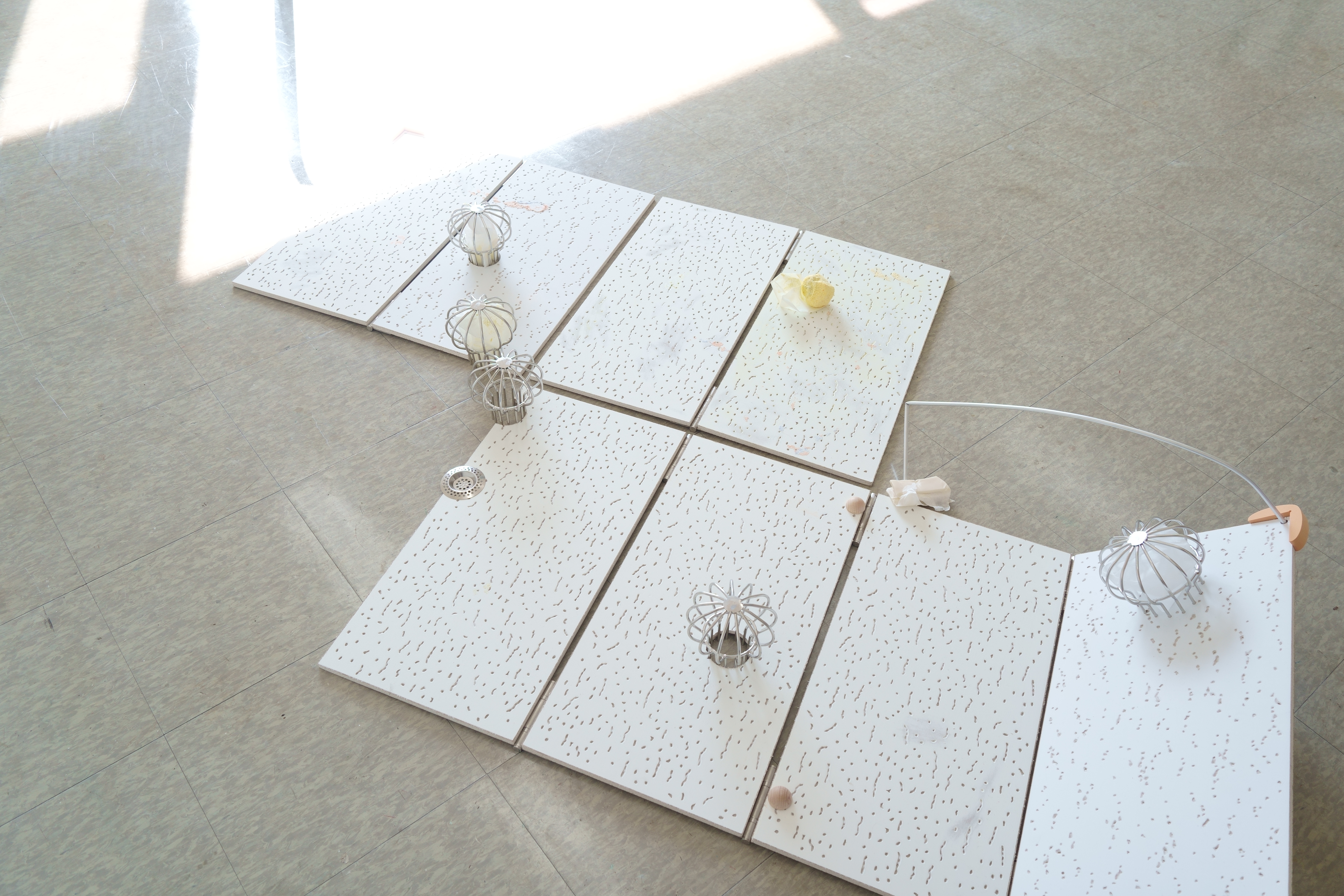
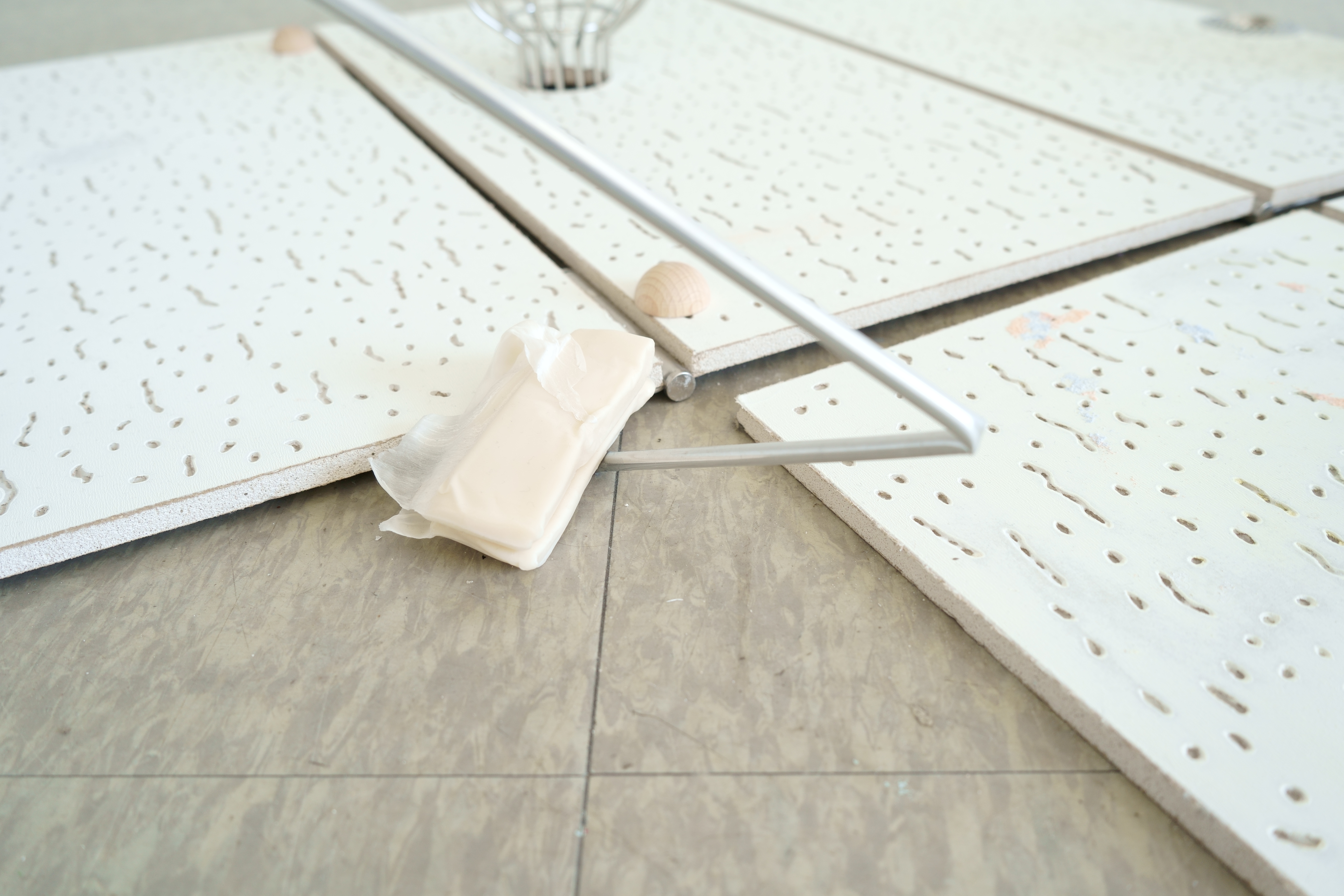
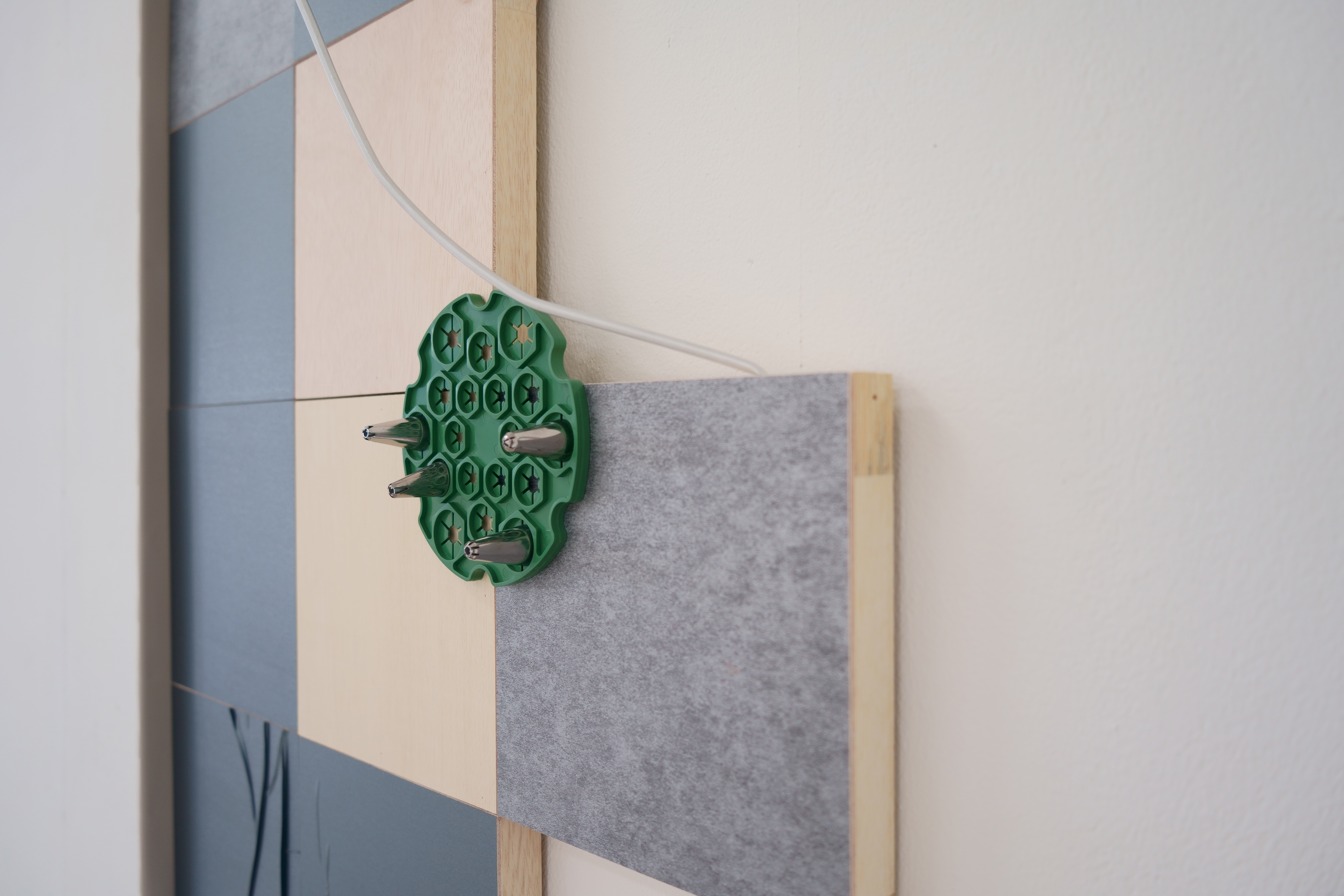
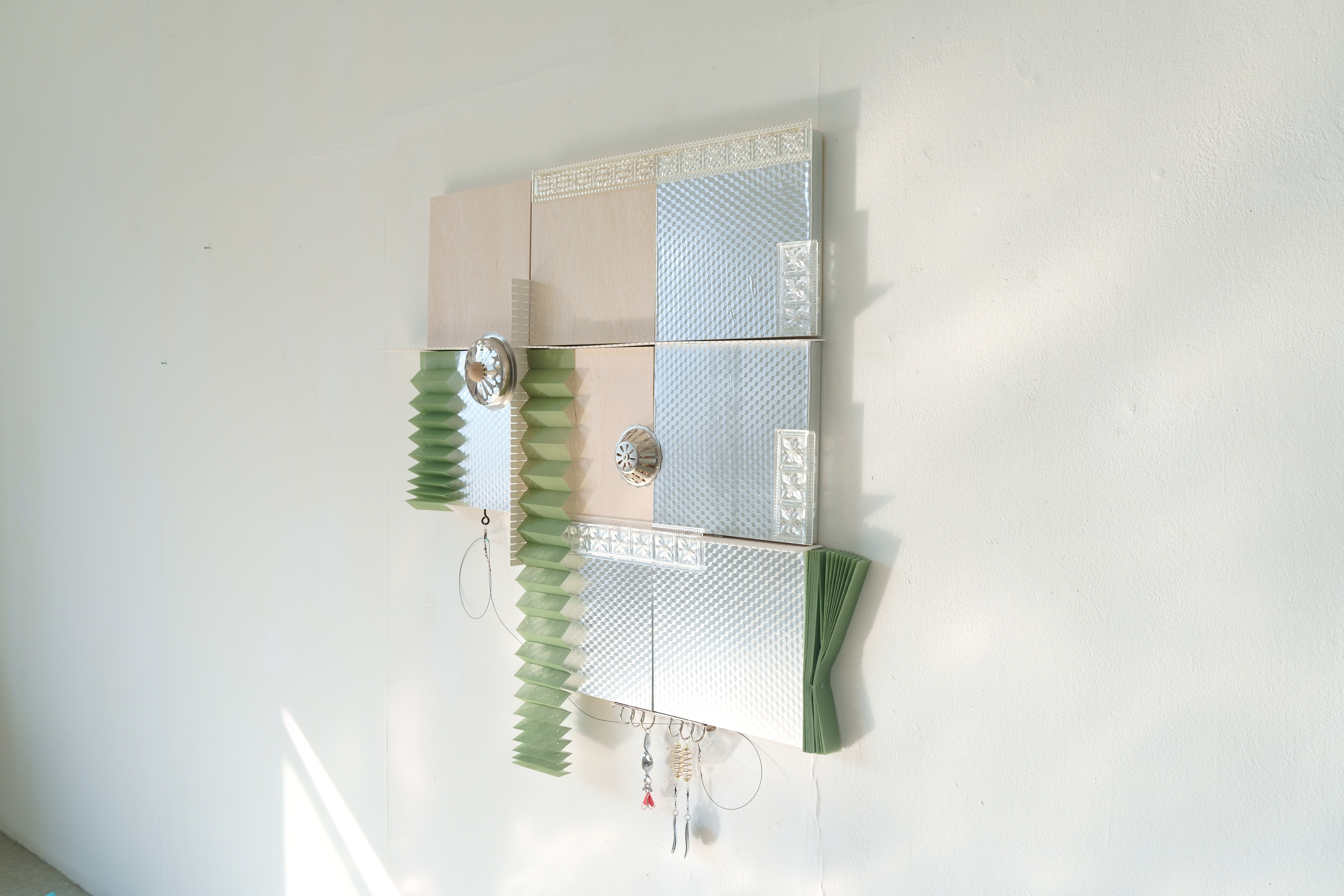
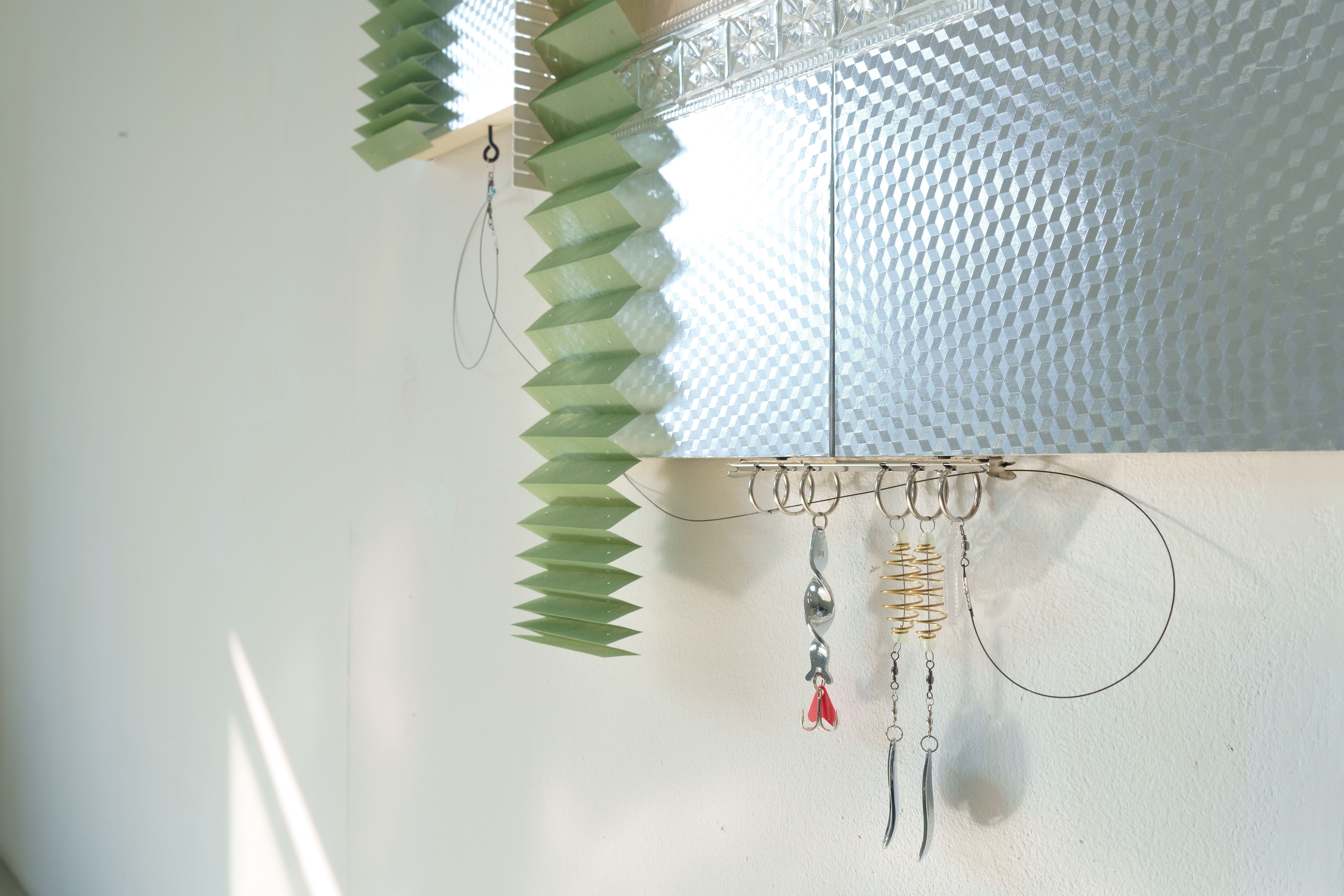
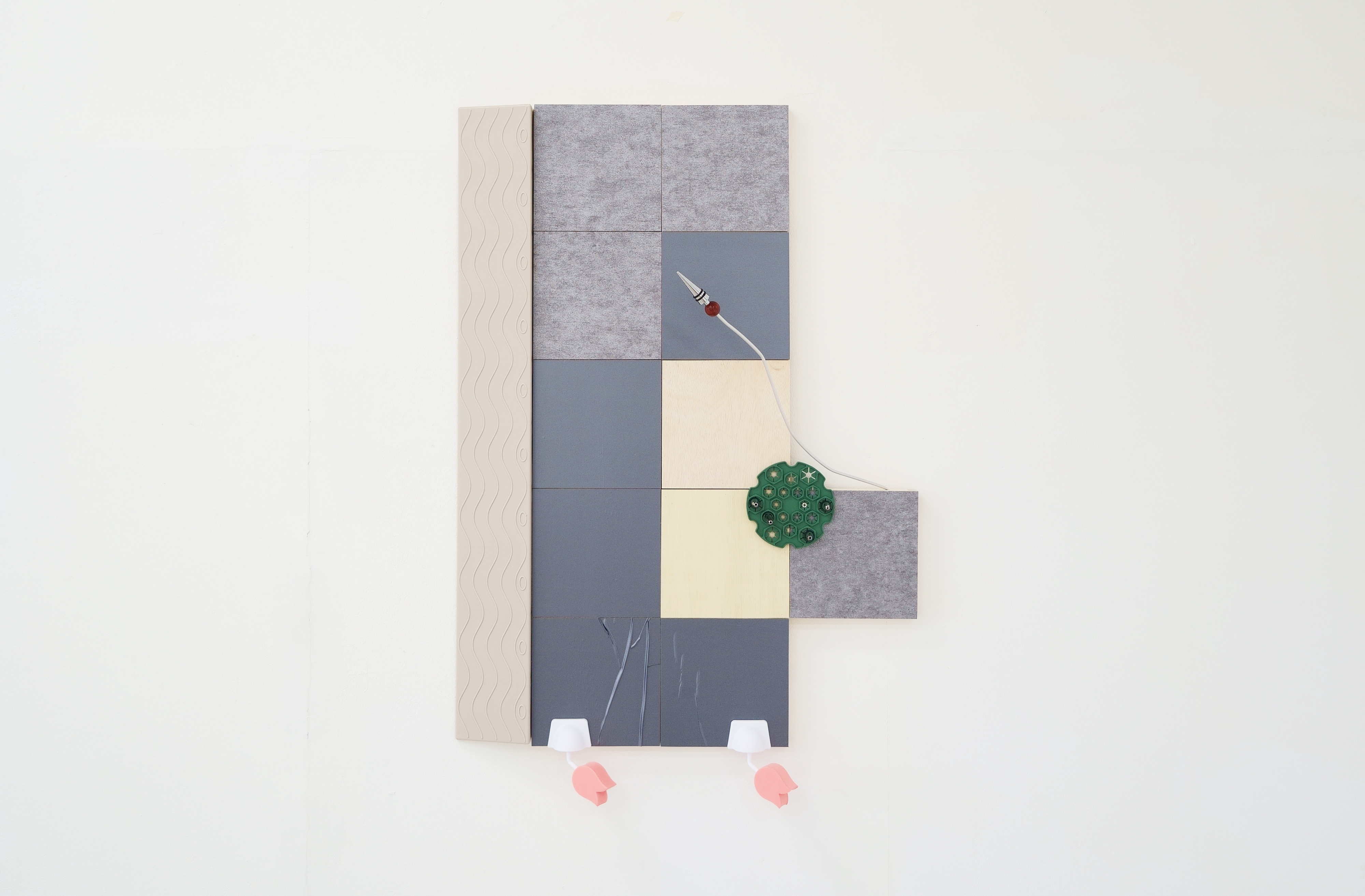
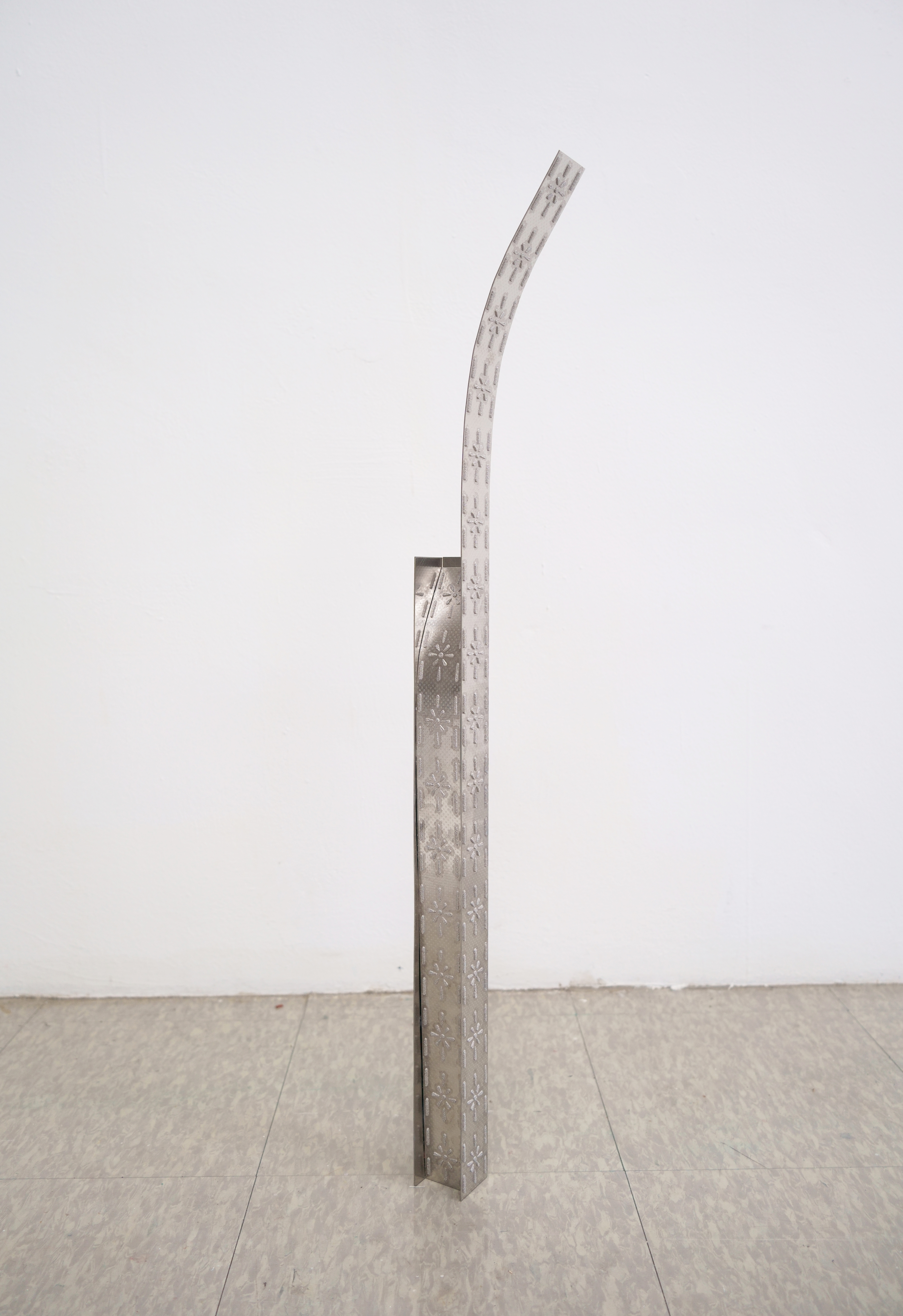
在異地短居的過程中,日常被重新組構,感知被迫調整。不同的居住文化、語言與環境,使生活節奏與空間意識生成新的理解。駐村期間的創作延續我對空間、物質與日常行為的關注,也回應「居住」的開放狀態。蒐集當地生活物件、二手物與拾得物,思考它們如何同時承載功能與感知、實用與想像。材料被重新組構、相互依附,形成介於結構與暫置間的形態;創作過程亦成為維護與照料的行為,延伸家務與身體的經驗。
這段經驗作為對「暫居」與「移動」的延伸思考。作品中的維護、支撐與重組,如同在全球流動的時代裡,人們尋找安放自身的方式,也記錄了那種懸浮而柔軟的生活節奏。
近幾個月的生活景觀,容納了農活、勞動、遮棚與農舍的支架,以及季節收成的時序生機。日復一日的散步路線,未被採收而萎縮的南瓜,方便農活的矮凳,黏在身上的小蟲子,清晨露水包裹的蜘蛛網,藏在山林裡的聚會所,某天突然出現的石階,管理員的房間,雲的清晰邊界與曬傷的遮雨棚。
這些細節構成作品的時間與呼吸,也構成一種移動中的居住方式, 那是一種暫時的安放,也是一種未定的棲居。
The residency is located on the outskirts of Goyang, South Korea. Traveling from the studio to Seoul or other parts of the city took nearly the same amount of time, and bus rides often stretched for hours. The long commute, however, becomes a way to observe the surrounding landscape, a span of time gently wrapped in slowness. From the edge of the city, fields leaned against houses and factories, greenhouses lined the roads, and the seasons shifted in subtle, almost imperceptible ways, like the slow rhythm of breath or the drifting of dust. Life felt both loosened and weighted, and each walk became a quiet practice of recalibrating the relationship between body and space.
Living temporarily in a new place, everyday life is continuously reassembled, and perception is constantly called to adjust. Different living patterns, languages, and environments nurture a renewed sense of rhythm and spatial awareness. During the residency, my work continues to focus on space, materiality, and daily gestures while responding to the openness of dwelling. I collect local domestic objects, secondhand items, and found materials, reflecting on how they hold both function and sensibility, utility and imagination. These materials are reconfigured and loosely bound together, forming forms that hover between structure and suspension. The process of making becomes an act of maintenance and care, extending into the rhythms of domestic life and bodily experience.
I regard this period as an extension of reflections on temporary dwelling and movement. The gestures of maintenance, support, and reorganization within the works mirror the ways people seek to situate themselves in a globally mobile world, tracing a suspended yet tender way of living.
The surrounding landscape contained traces of labor and cultivation: the structures of greenhouses, the frames of sheds, the cycles of harvest and decay. Daily walks reveal pumpkins shrinking in the fields, low stools made for farmwork, tiny insects clinging to my skin, spider webs holding the morning dew, a hidden gathering place in the woods, a staircase appearing unexpectedly, the caretaker’s room, the clear edge of a cloud, and a sunburned canopy.
These fragments become the breath and pulse of the work, forming a pattern of dwelling in movement, a temporary resting, and an undefined home.
2004년에 개관하여 올해로 21년째를 맞이하고 있는 국립현대미술관 고양레지던시는 매해 ‘오픈스튜디오’라는 이름으로 레지던시에 입주해 있는 국내외 작가들의 작업 공간을 일 년에 한 번 외부인에게 공개하고 있다. 올해 진행되는 ‘2025 MMCA 고양레지던시 오픈스튜디오 21’ 역시 마찬가지로, 이 기간에 레지던시에 방문하는 관객들은 입주작가들이 생산한 것들과 생각한 것들을 마주할 수 있다.
관객들은 작가별 스튜디오와 전시실뿐만 아니라, 레지던시 시설 이곳저곳에 설치된 작품과 프로그램을 통해 레지던시에 대한 첫인상을 받아 들 것이다. 작가별 스튜디오에서는 작가가 입주 기간 연구한 자료들과 제작한 작품들을 볼 수 있다. 1층 전시실의 네 벽면 중 세 벽면은 각각 스크리닝(정가희, 이민지, 한수지), 토크(강동훈), 전시(이해반)를 정해진 시간에 따라 선보인다. 레지던시의 로비와 테라스, 빈 스튜디오에서도 작은 전시들(강나영, 박예나, 손승범, 송석우, 이민지, 이호수, 꿍 파오렁, 티에리 뒤 브와)이 이어진다. 작가에 따라, 스튜디오 안에서만 작업을 선보이는 경우도 있고, 레지던시 이곳저곳에 작업을 분산시킨 경우도 있다. 전시는 작업의 매체, 재료, 주변 환경과의 관계에 따라, 개별 작가들의 작업 하나하나가 눈에 잘 띄는 것을 목표로 하였으며, 한 공간 안에 무리하게 여러 작가들의 작업이 모여 웅성거리는 듯한 배치는 지양하였다.
오픈스튜디오에서는 작가들의 작업뿐만 아니라, 작가와도 만날 수 있다. 그 시작은 입구에서 하나의 포춘쿠키를 건네 받는 것으로 시작할 것이다. 포춘쿠키 안에는 입주작가들이 레지던시라는 공간 안에서 생활하며 발견한 지극히 사적인 사실들이나 입주작가와의 은밀한 만남을 제안하는 메시지가 들어있다. 작가들은 레지던시 안에서 일시적으로 형성된 공동체 생활을 경험한 뒤 소속감을 느끼곤 한다. 그리고 작가들은 이 소속감이 바로 레지던시 바깥에 있었을 때 느끼는 소외감의 원인이었다는 걸 깨닫는다. 달콤한 환대, 은근한 배제, 부담스러운 거리감, 네트워킹을 통한 일시적 고양감 등, 입주작가들은 레지던시 안팎에서 벌어지는 이 관계의 이합집산을 일종의 ‘카르텔’적인 것으로 바라보았다. ‘카르텔’이 건네는 포춘쿠키의 메시지는 관객들을 이 소외와 연대의 이중주에 말려들게 하는 미끼로써 작동할 것이며, 이 내밀한 관계망은 레지던시에 방문하는 관객들이 받아 들 레지던시에 대한 두 번째 인상이 될 것이다.
고양레지던시의 오픈스튜디오는 당분간 별도의 제목을 정하지 않고, 단지 매해 갱신될 연도와 기수만을 표기할 예정이다. 그것은 주제나 매체에 따라 엮이기 쉽지 않은 복수의 창작 세계들을 묶을 수 있는 유일한 길이 바로 이 고양레지던시에서 언제 몇 번째로 만났느냐는 사실뿐이라고 여겼기 때문이다. 그러나 바로 그 언제, 몇 번째 만남이냐는 사실이야말로, 레지던시라는 공간을 둘러싼 창작 주체 개인과 집단 양자가 어떻게 모두 잘 드러날 수 있는가에 대한 단조롭지만, 또 선명한 한 레지던시의 대답이 될 수 있다고 믿는다.
Courtesy of National Museum of Modern and Contemporary Art, Korea and artist.